Join us and unlock access to personalized features, exclusive content, and more. Fill in the details below to get started.
How do you know that your Energy Saving Device actually works?
If you perform sea trials on a vessel and, after that, you put her in a dry dock to install an Energy Saving Device (and clean the hull, of course!) and then repeat the trials again, the results will be questionable, right? How would you know the savings from the device and from the clean hull?
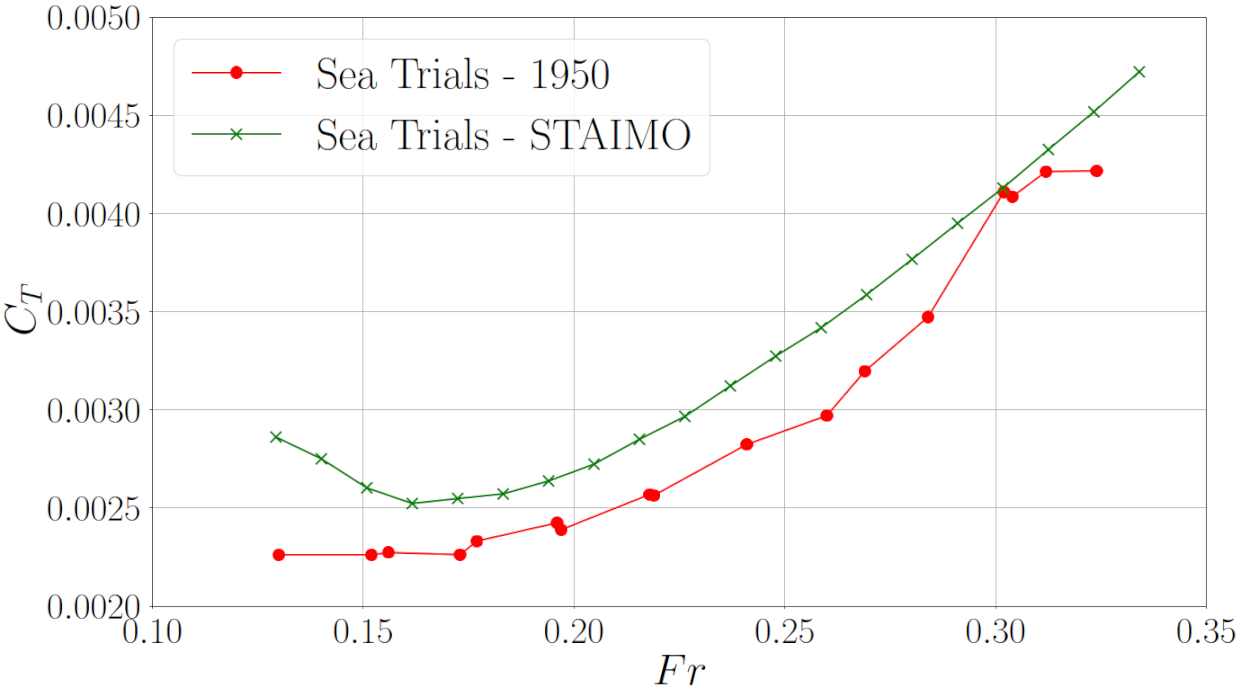
CFD can actually help with that, but of course, validation at full scale is always required. To close this gap, the JoRes project has just released the sea trials data for the Bulk carrier case (with and without the Energy Saving Device). It is a somewhat unique case as the hull condition was the same during both sets of trials!
So, the following ship scale validation cases are FULLY available now on the JoRes website:
1. MV Regal
2. JoRes3 Cruise liner
3. JoRes5 Bulk Carrier
4. Lucy Ashton - resistance case
The ones which are coming:
1. JoRes1 tanker (sea trials report will be released after the Wageningen workshop)
2. JoRes2 ferry (being considered at the Damen workshop now)
3. JoRes4 Deniz tugboat (will be considered soon)
Stay tuned!

Other News
What did we learn about sea trials pro
We all know that a vessels actual sea trials measurements are affected by many external factors, suc...
See more

New CFD Workshop on the JoRes2 twin sc
All the previous ship scale validation cases considered under the JoRes project were either single s...
See more
Research to understand hull roughness
The JoRes team have been working on this ferry paint degradation project for a number of years....
See more